Discover the ten wonders of Milan that the Best Western Hotel City has selected for you.
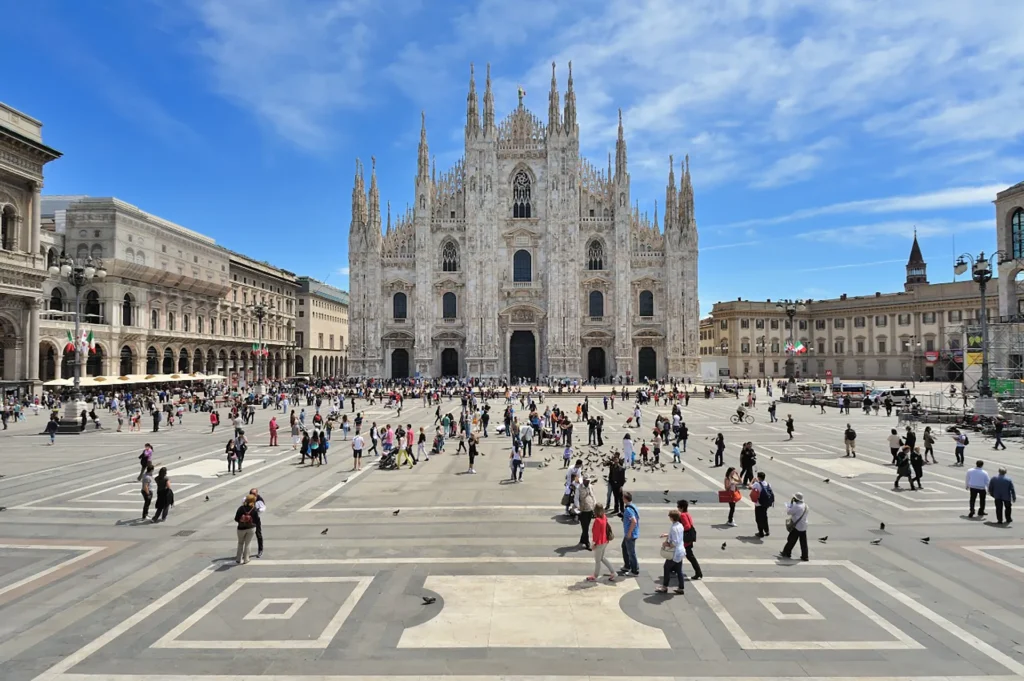
Duomo of Milan
With its 135 white marble spires and the golden statue of the Madonnina towering over the city, the Duomo of Milan is one of the largest cathedrals in the world and one of the most representative buildings of Lombard Gothic architecture. Inside, the imposing pillars and monumental stained-glass windows, a jewel of Italian glass art, create a unique atmosphere. Be sure to take a stroll on the panoramic terraces for a priceless view of the entire city.
From Hotel City: Red Line MM1 Metro – Duomo stop
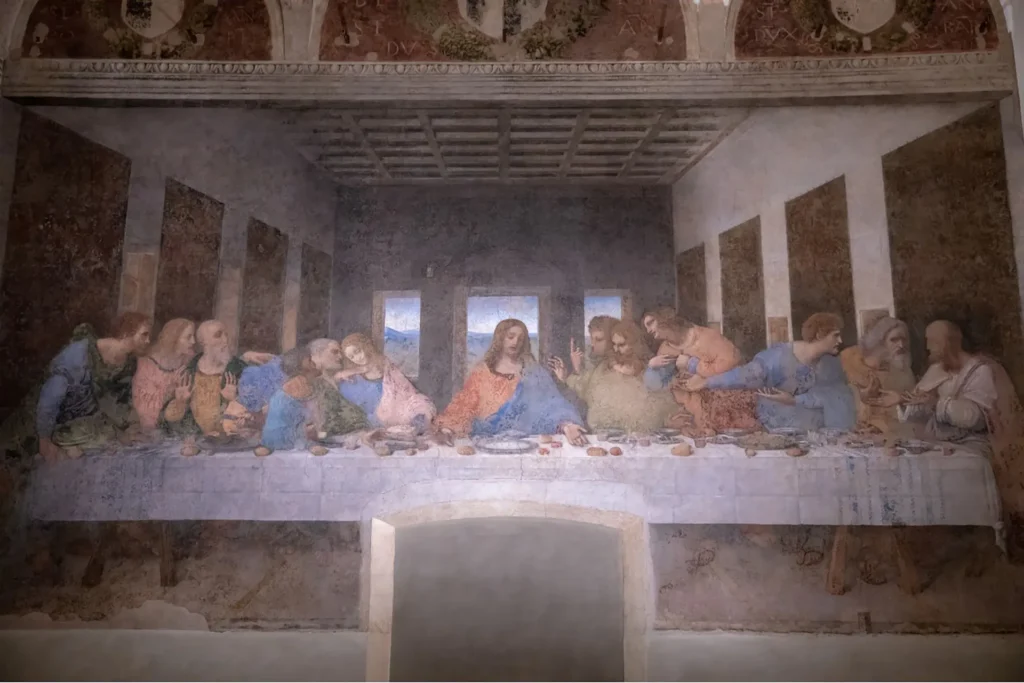
Leonardo da Vinci's Last Supper
In the refectory of the Basilica of Santa Maria delle Grazie, in a setting of rare beauty, lies Leonardo da Vinci’s fresco of The Last Supper, one of the Florentine master’s masterpieces and one of the Italian Renaissance, recognized as a UNESCO World Heritage Site. A visit to the Basilica is a must for anyone wishing to discover a wonderful example of the Lombard Renaissance. Reservations are required for admission to the Last Supper.
From Hotel City: Metro Red Line MM1 – Conciliazione stop
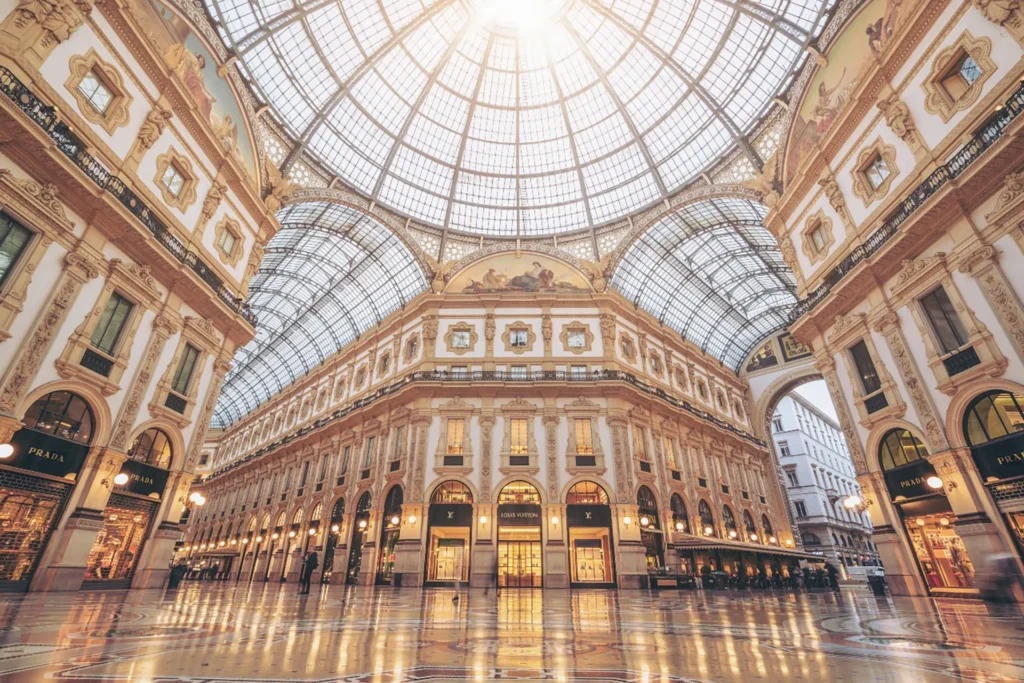
Galleria Vittorio Emanuele II
Built to celebrate the newly achieved unification of Italy under Victor Emmanuel II, to whom it is dedicated, the Galleria, which connects the Duomo to Piazza della Scala, quickly became a gathering place for the Milanese bourgeoisie and was nicknamed “Milan’s living room.” Today, it’s home to prestigious shops, Michelin-starred restaurants, pastry shops and some of the city’s oldest bars.
From Hotel City: Red Line MM1 Metro – Duomo stop
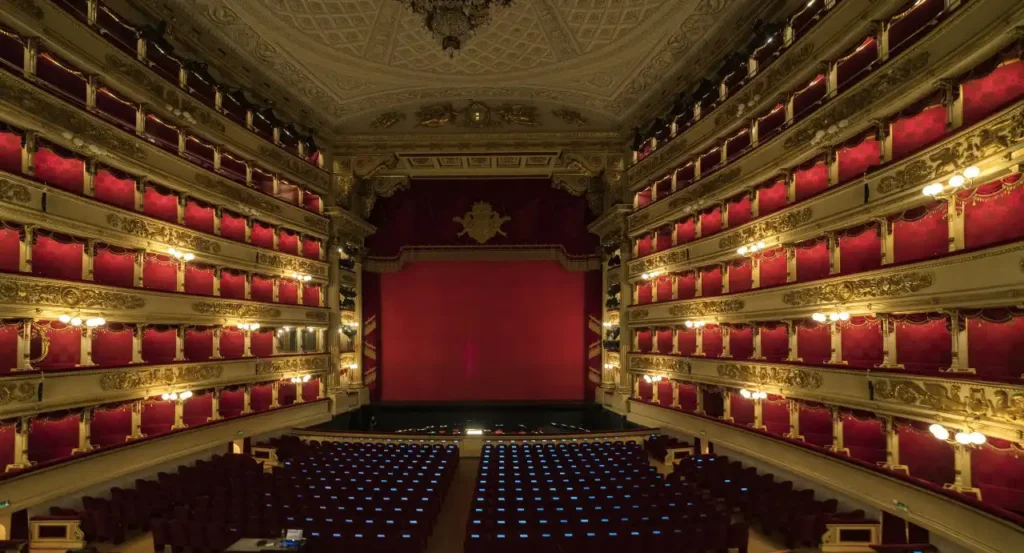
La Scala Theater
Financed by Milan’s aristocratic families and built in 1778 to a design by Giuseppe Piermarini, La Scala is one of the most prestigious theaters in the world and a symbol of Milan’s vibrant culture. Each year, the opera season opens on December 7th, during the celebrations for the city’s patron saint, Sant’Ambrogio, creating one of Italy’s most anticipated cultural events.
From Hotel City: Red Line MM1 Metro – Duomo stop
Sforzesco Castle
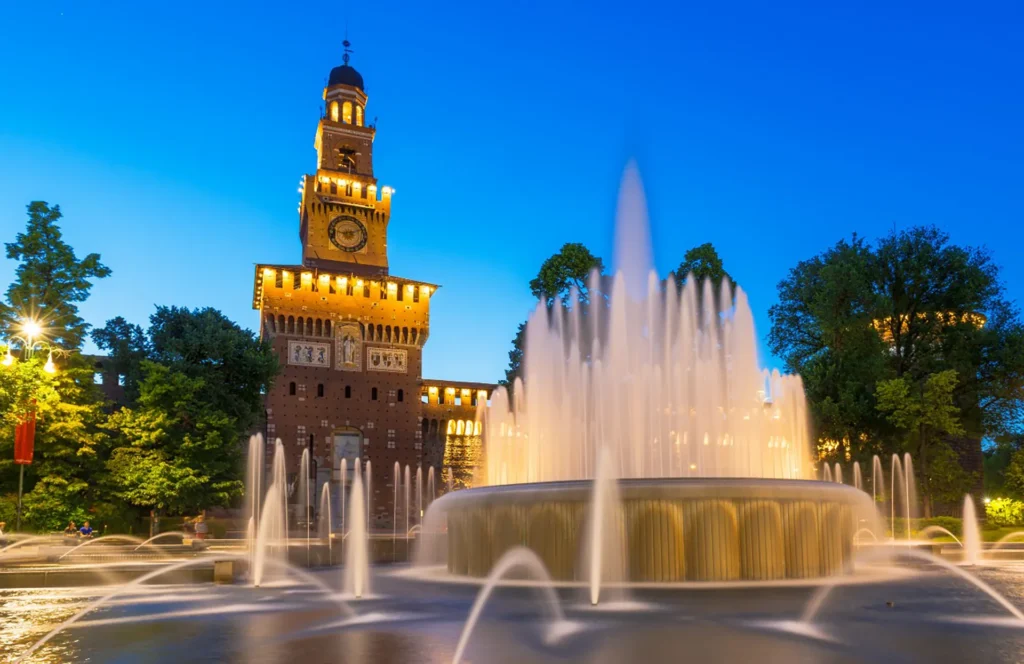
Built in the 14th century by Francesco Sforza, from whom it takes its name, the Sforzesco Castle, with its well-preserved fortifications and towers, offers a glimpse into the atmosphere of medieval Milan. Currently home to museums and temporary exhibitions, it houses, among others, Michelangelo’s famous unfinished sculpture, the Pietà Rondanini.
From Hotel City: Metro Red Line MM1 – Cairoli stop
Pinacoteca in Brera
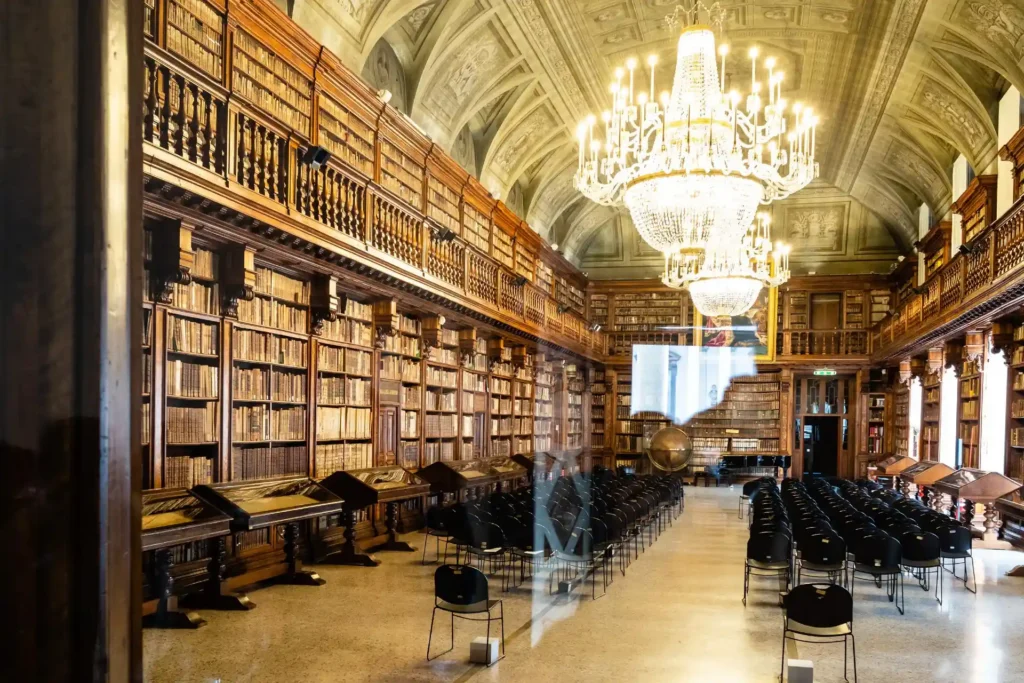
One of the city’s most prestigious museums, it houses works by great artists such as Piero della Francesca, Raphael, Mantegna, Tintoretto and Caravaggio, and also houses one of Italy’s richest and most fascinating libraries, the Biblioteca Braidense. The Brera district, where the art gallery is located, is one of the city’s most distinctive, with its narrow, winding alleys home to art galleries and street artists, vintage and modern shops, and clubs and bars that stay open late into the evening.
From Hotel City: Metro Green Line MM2 – Lanza stop
Navigli of Milan
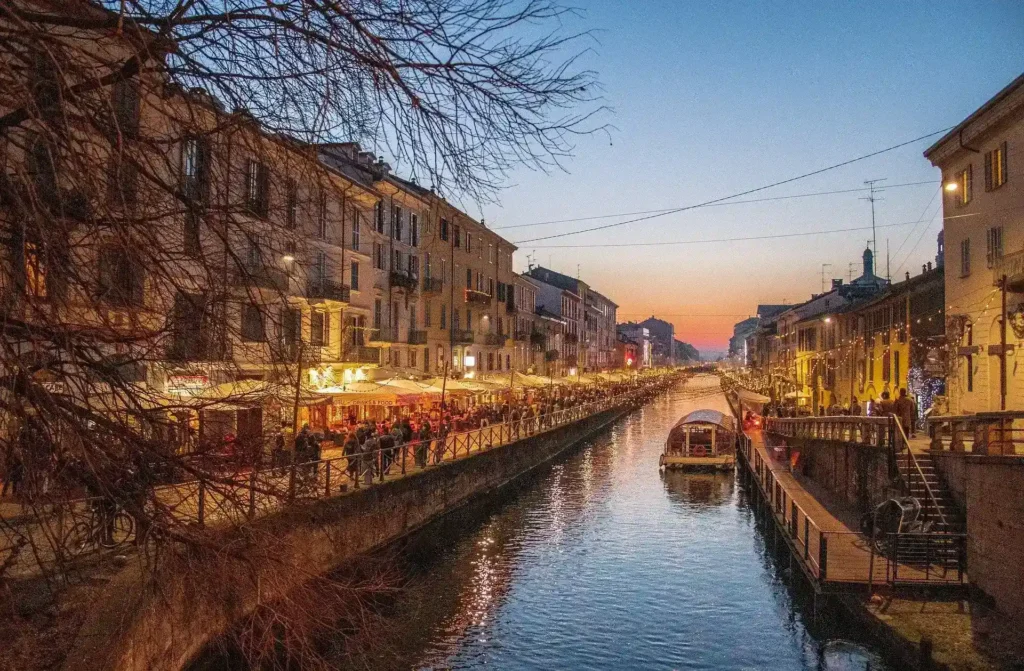
Of Milan’s ancient navigation system toward the Ticino and the lakes, the Naviglio Grande and Naviglio Pavese still remain. Together with the Darsena, they preserve the charm of bygone river transport, as depicted in Olmi’s cult film, The Tree of Wooden Clogs, combined with the vibrant liveliness of today’s neighborhood. Bars, restaurants, art and book shops, artisan workshops, and hidden courtyards now line the two canals south of Milan. You can navigate them on a sightseeing cruise or, if you’re in Milan in January, witness some brave athletes dive into the water during the traditional “cimento invernale”.
From Hotel City: Metro Green Line MM2 – Porta Genova stop
Fashion District - "Quadrilatero della moda"
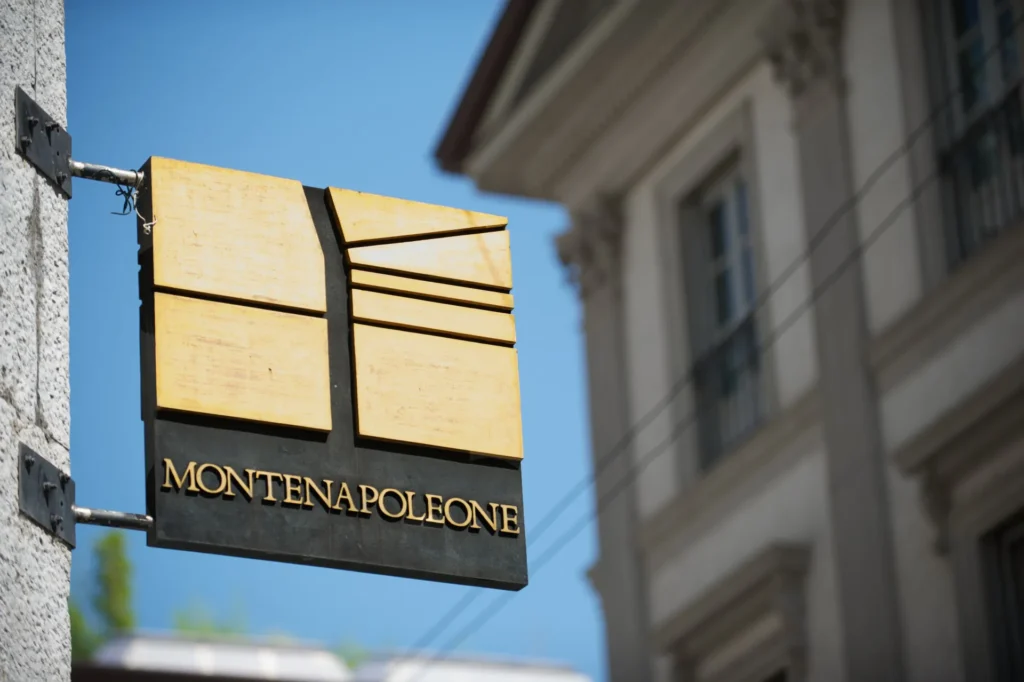
Also known as the luxury district, the complex of streets that wind between Via Montenapoleone, Via della Spiga, Via Sant’Andrea and Via Borgospesso are home to the ateliers and showrooms of the most prestigious national and international brands. There are also historic buildings such as the Poldi Pezzoli and Bagatti Valsecchi house museums.
From Hotel City: Metro Red Line MM1 – San Babila stop
Parks of Milan
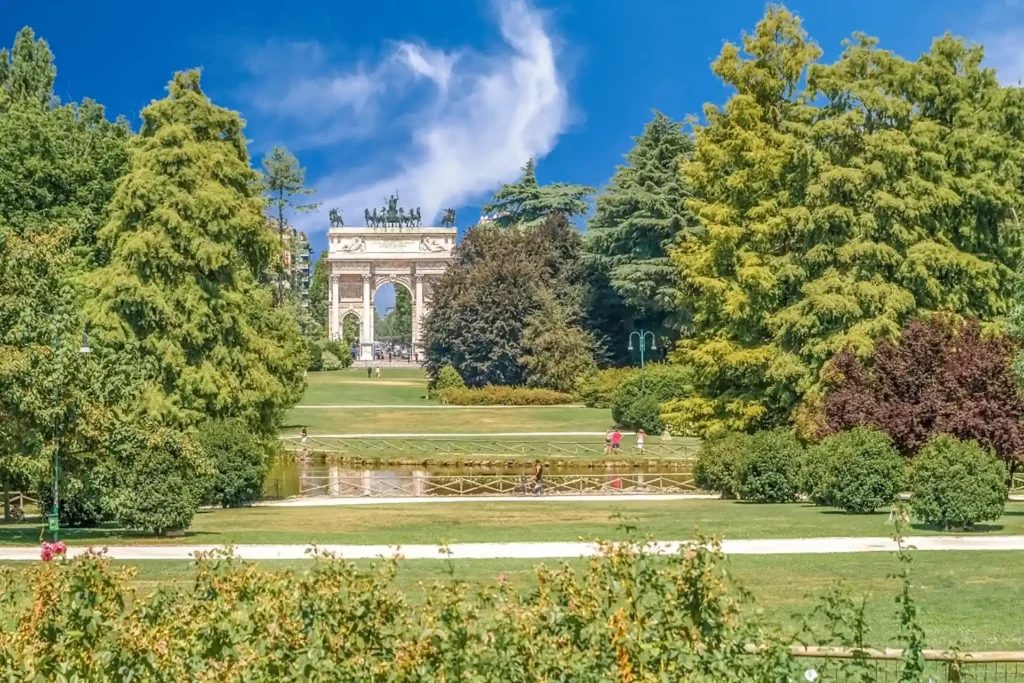
The Sempione Park and the Indro Montanelli Gardens are the two green lungs of the city center. Created in the late 19th century, Sempione Park surrounds the north side of the Sforzesco Castle, creating a captivating backdrop to the monumental road that runs from Corso Sempione, passing through the Arco della Pace, to the city center. The gardens on Via Palestro, dedicated to the famous journalist Indro Montanelli, were designed by Piermarini in the French style, with regular, geometric flowerbeds and broad tree-lined avenues.
From Hotel City: Metro Red Line MM1 – Cairoli and Palestro stops
San Siro Stadium
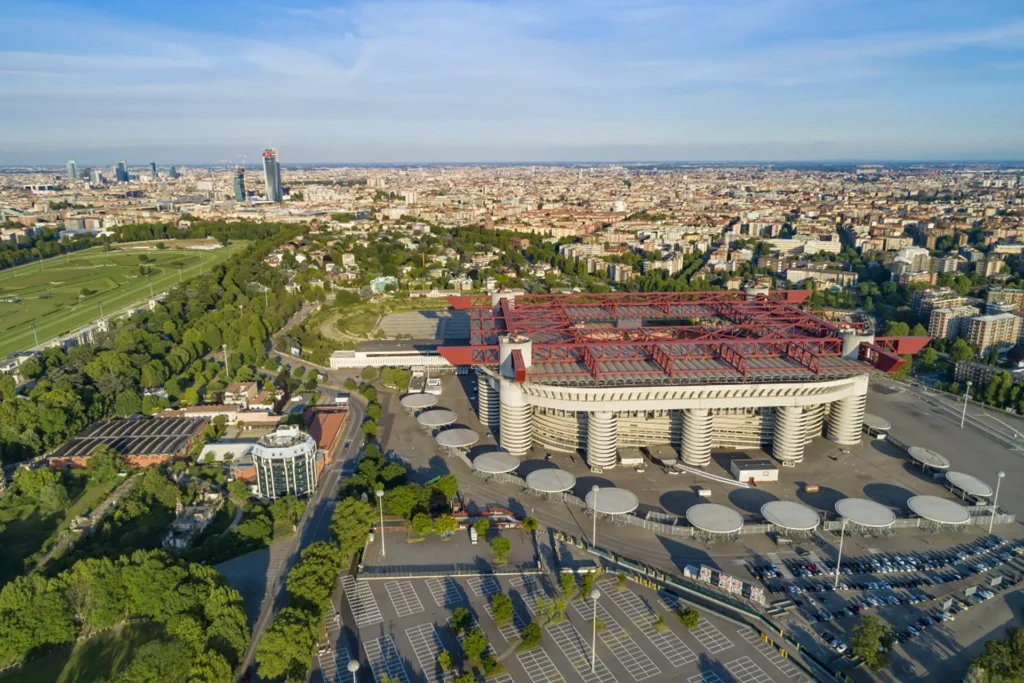
A symbol of Milanese football and the rivalry between the city’s two historic teams, AC Milan and Inter Milan, the San Siro Stadium is considered one of the most beautiful in the world, as well as the largest in Italy. During the Milan Derby, the stands are adorned with the most colorful and creative displays and the atmosphere becomes thrilling throughout the city.
From Hotel City: Metro Purple Line MM5 – San Siro stop